

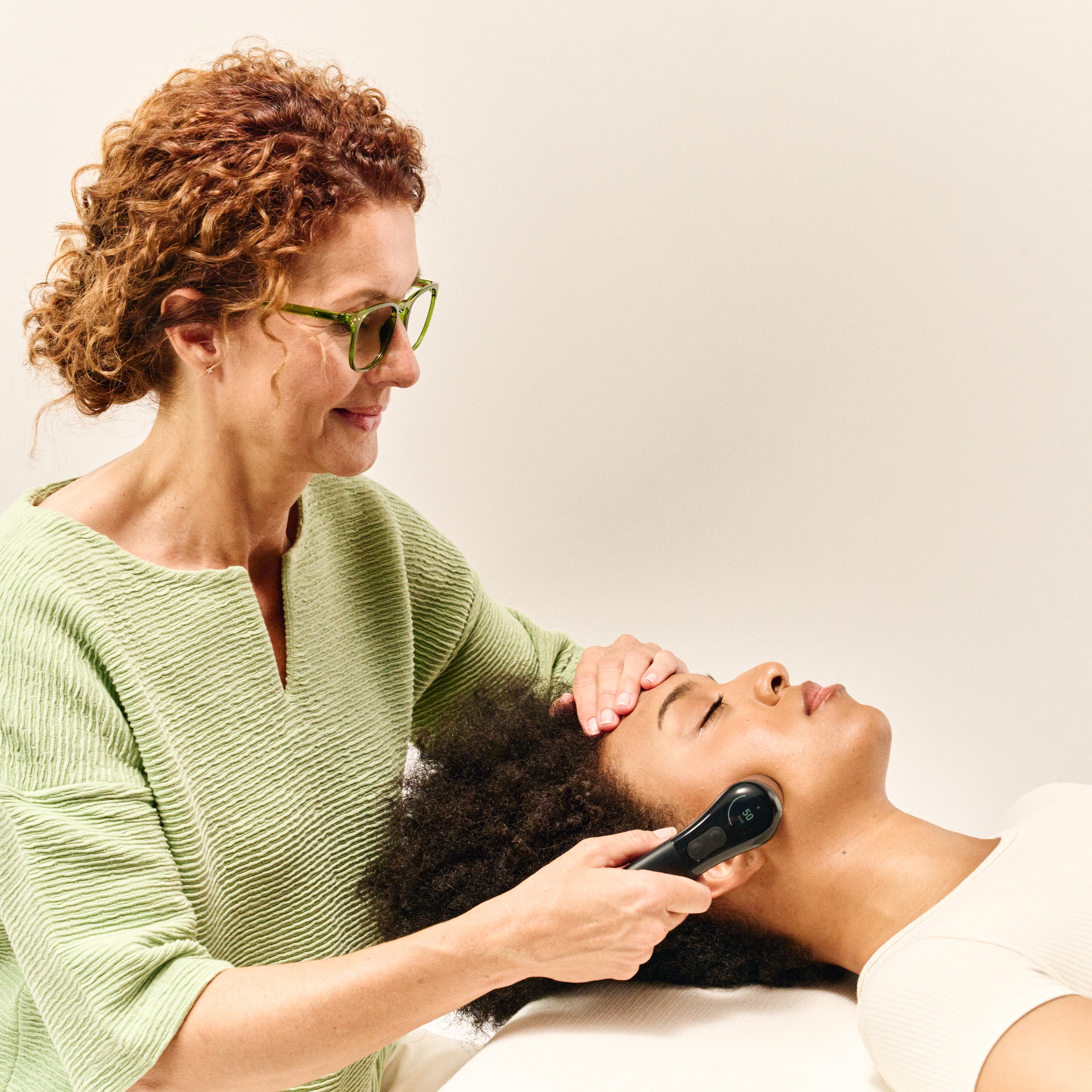
Medically tested sound wave vibration devices for TMD treatment
Pain and tension in the jaw and neck area can quickly lead to poor posture and reduce quality of life. Grinding and clenching often intensify the symptoms. Novafon counteracts this through deep-acting vibrations. The device with medically proven effectiveness can stimulate the entire masticatory musculature as well as the auxiliary musculature to relax the masticatory system.¹
Medically tested shockwave devices for TMD treatment
Pain and tension in the jaw and neck area can quickly lead to poor posture and reduce quality of life. Grinding and clenching often intensify the symptoms. Novafon counteracts this through deep-acting vibrations. The device with medically proven effectiveness can stimulate the entire masticatory musculature as well as the auxiliary musculature to relax the masticatory system.
More than a massage device
for TMD treatment
Novafon can be used within the overall concept of TMD therapy on pain points as well as in a supportive role for tone regulation and the treatment of mobility disorders. In addition to external application, treatment within the oral cavity using intraoral attachments is also possible. Often, a noticeable improvement in mobility and pain relief occurs after just a few minutes of application. This has been confirmed, among other things, in a randomized controlled study: 91% of participants reported experiencing a significant reduction in temporomandibular joint pain, muscular pain, and TMD-associated headaches after Novafon treatment.² Patients also have the option to continue the treatment at home between therapy sessions using Novafon.
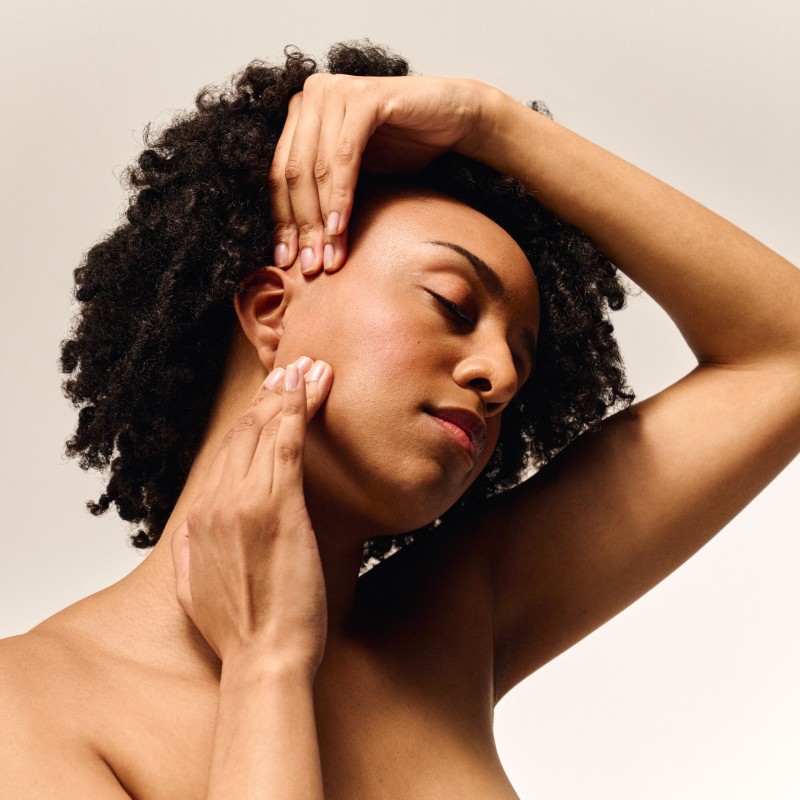
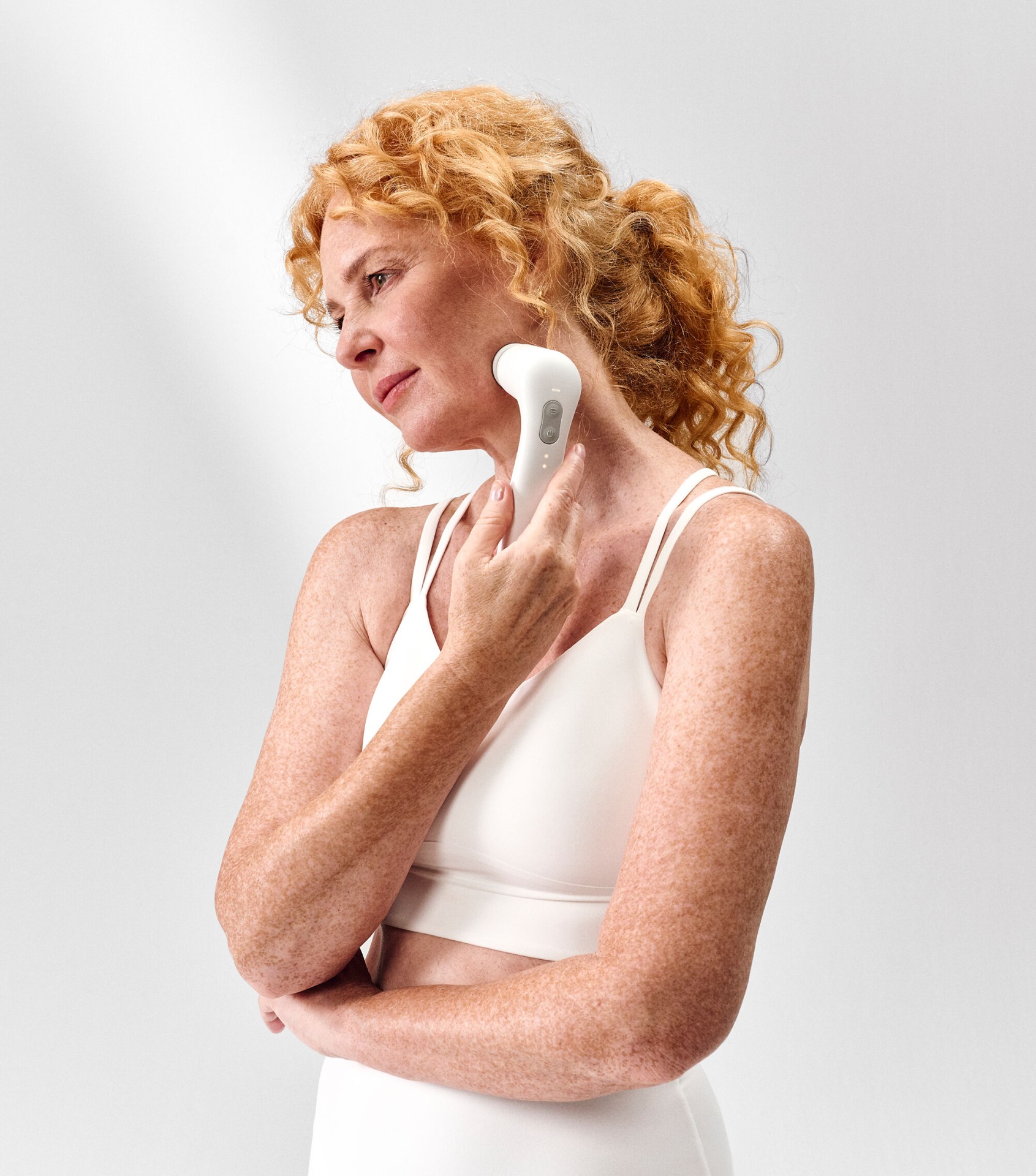
Treat jaw complaints gently and effectively
Through vertical stimulation, gentle sound waves penetrate deep into the tissue. In contrast to other therapy or massage devices that only provide superficial stimulation in the treatment of TMD and jaw pain, Novafon devices achieve a depth of effect of up to 9 cm.
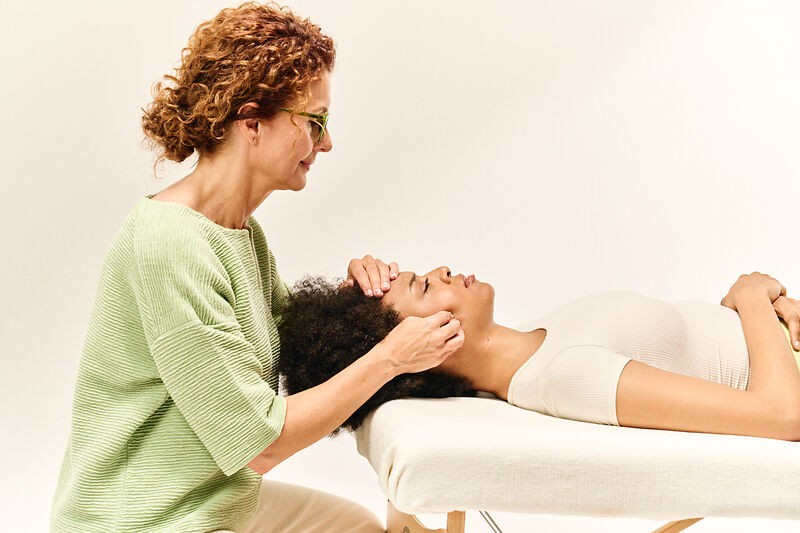
Effective against jaw pain & tension
Novafon is ideally suited for use in TMD, both in the sensitive facial and jaw area and for the targeted treatment of tension in the neck, shoulder, and masticatory muscles. The gentle vibration supports the regulation of muscle tone and can effectively relieve pain.
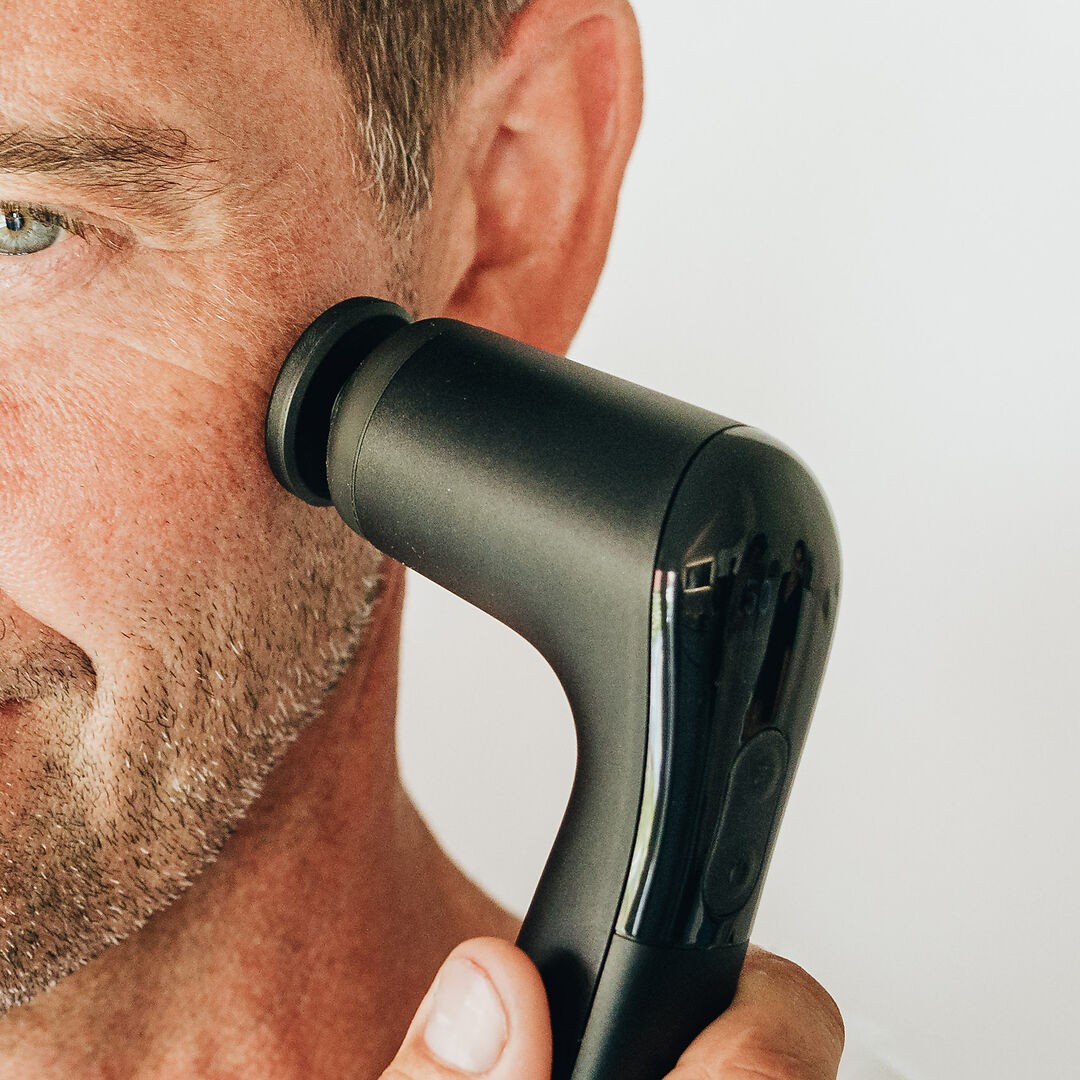
Reduce TMD symptoms
TMD-associated headaches can be effectively relieved with Novafon. 91% of female study participants reported an improvement in TMD-associated symptoms.³
Medically tested sound wave vibration therapy
for TMD treatment


"It enables a very profound effect that can be traced several centimeters beneath the skin into the myofascial tissue. I had the opportunity to test it and am convinced."
Prof. Dr. biol. hum. Robert Schleip
Fascia researcher, TU Munich

96%
of therapists confirm
the effectiveness of Novafon
treatment for TMD.⁴
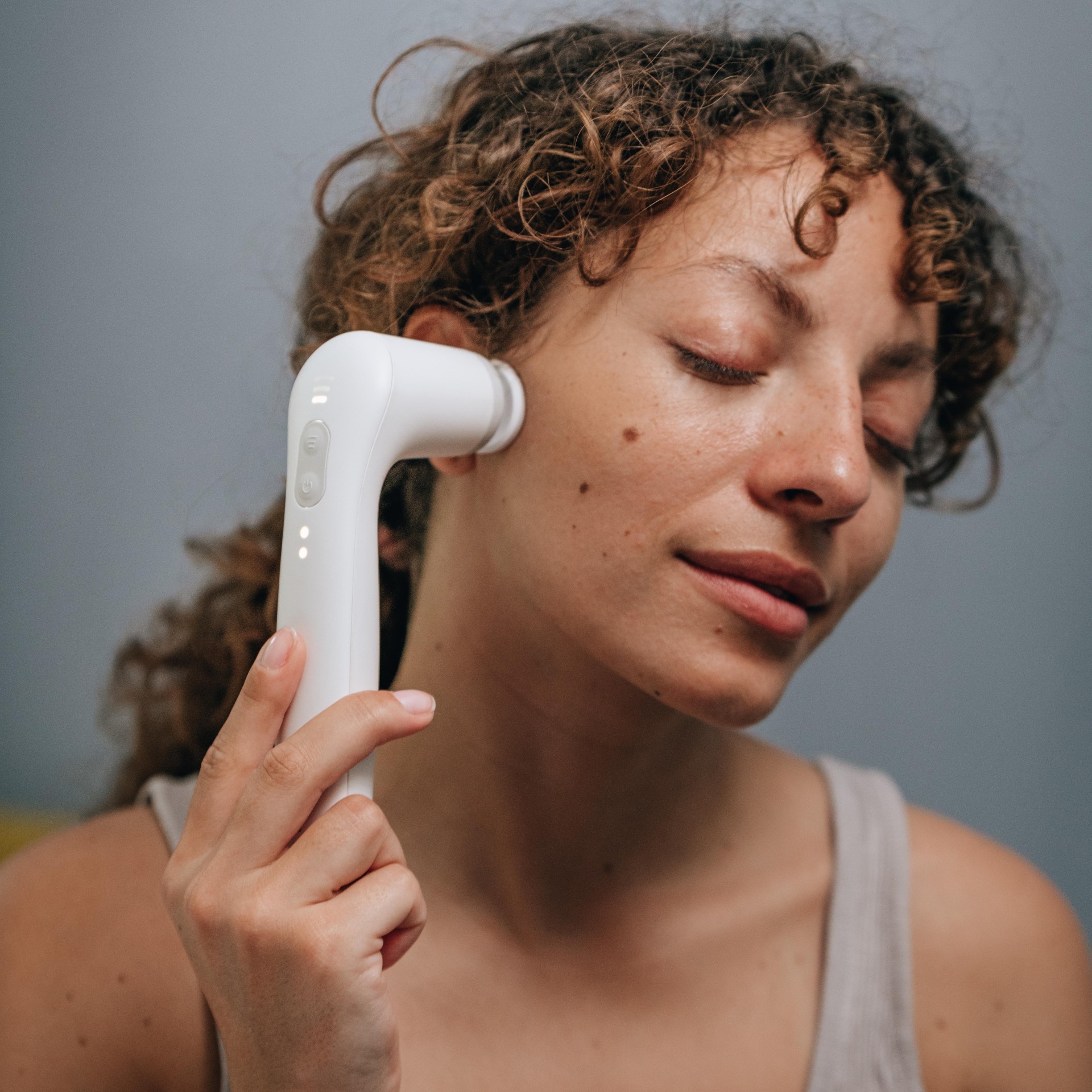
91%
of patients report
a noticeable reduction in their
jaw pain as well as
improved mobility.⁵

"After just three days,
our patient was able to increase
their mouth opening
from two and a half to four fingers
and maintain this long term –
something that was not possible
with manual mobilization before."
Report by physiotherapist
Friederike Martin (Au in the
Hallertau).
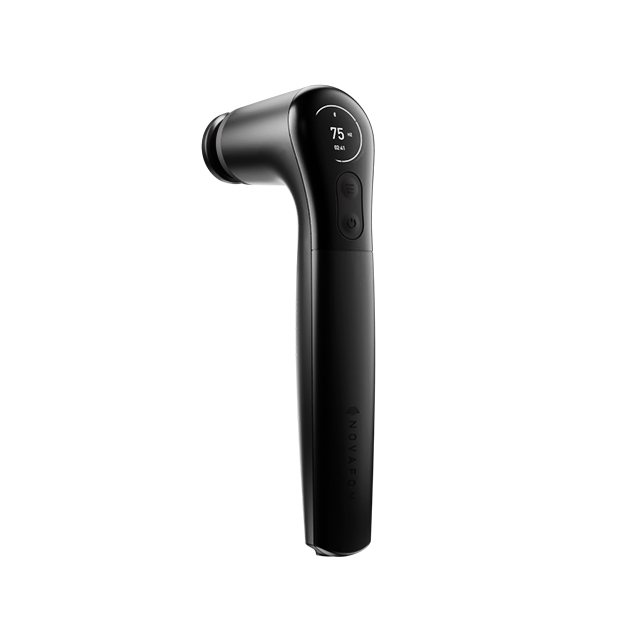

8 selectable attachments
For targeted vibrotactile stimulation in the oral cavity

Sound wave vibration devices and suitable accessories
for TMD treatment
Step 1
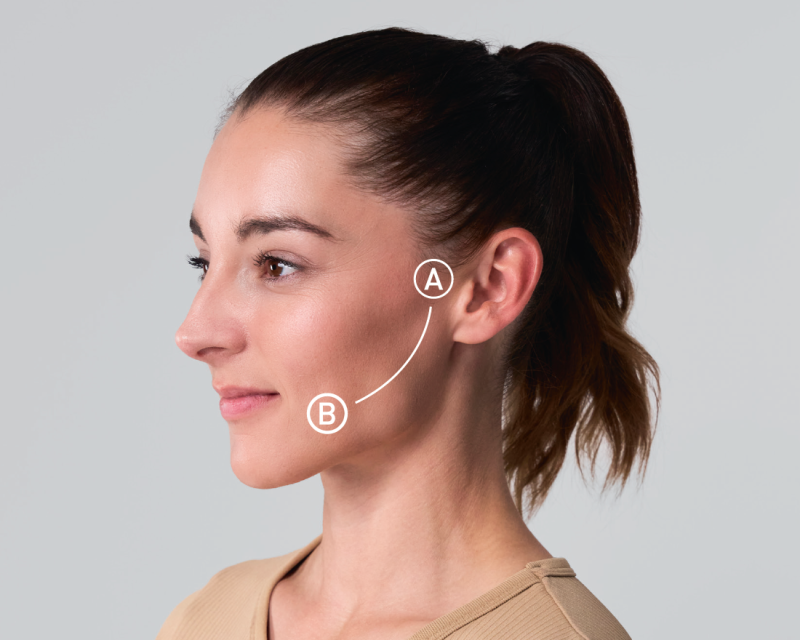
Stroking the masticatory muscles
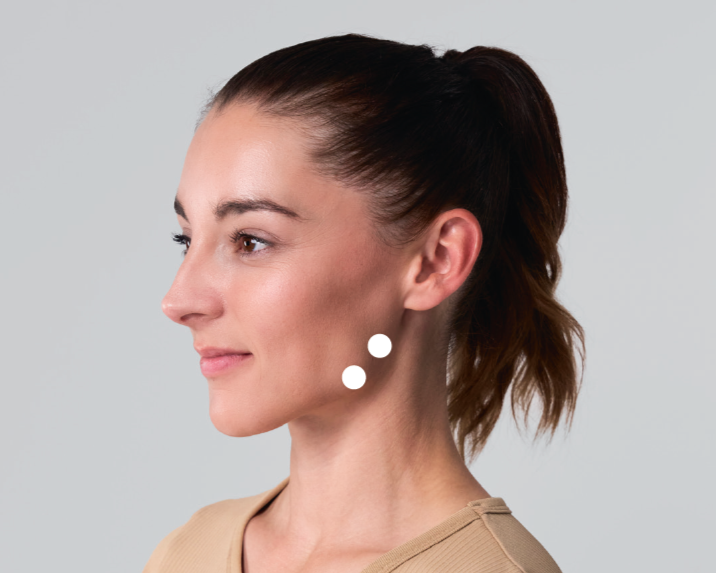
In the first step, the masticatory muscles are stroked. For this, use the disc attachment, select 50 Hz, and set the intensity to a level that feels comfortable for you. Begin stroking the masticatory muscles from the ear toward the chin (A – B). You can also stroke from the chin toward the ear (B – A). Treat each side of the face for 2 – 3 minutes. During the treatment, you can additionally open and close your mouth slowly. Then proceed with step 2.
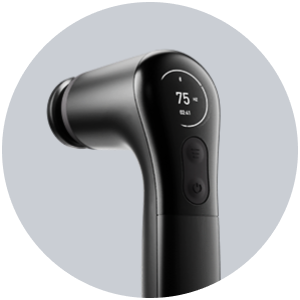
Product
novafon power 2
Attachment
Disc attachment

Duration
approx. 2–3 minutes
Frequency
50 Hz
Step 2
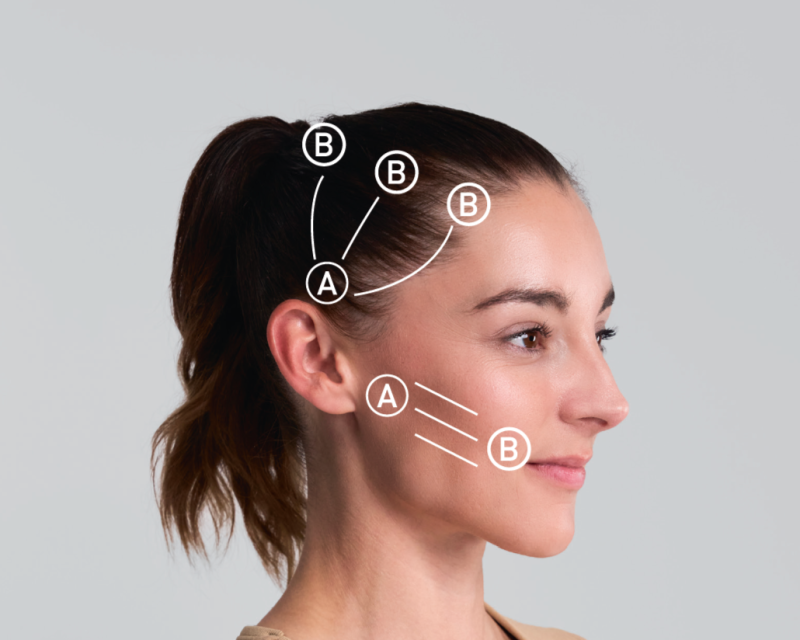
Stroking the temporal muscles
In the next step, the temporal muscles are stroked. As in step 1, use the disc attachment and select the 50 Hz frequency. Set the intensity according to your own comfort level. Stroke in a radial pattern away from the ear toward the forehead, toward the base of the skull, and toward the occipital region. Treat the area on both sides for 3 – 4 minutes each.
Product
novafon power 2
Attachment
Disc attachment
Duration
approx. 3–4 minutes
Frequency
50 Hz
Treatment steps for device-assisted
treatment of TMD & jaw complaints
You can use Novafon for tension regulation and for the treatment of pain points in the masticatory muscle (musculus masseter). One application lasts approximately 10–15 minutes and can be repeated up to twice daily. Before you begin, make sure that your Novafon is ready for use and seat yourself – or your patient – comfortably on a chair. Treat the affected side, or both sides if necessary. Make sure to carry out the following steps carefully.
Step 3
Treatment of pain points
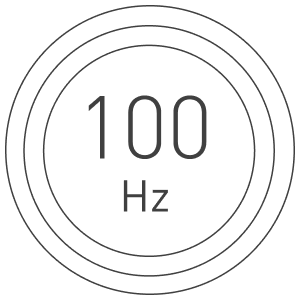
In step 3, individual pain points are treated. Use your fingertips while opening and closing the mouth to locate the temporomandibular joint at ear level. The tense areas are usually located below the joint. Multiple pain points may be active. Use the ball attachment to treat these points, select 100 Hz or 75 Hz, and adjust the intensity accordingly. Treat each point for approximately 30 – 60 seconds, either statically or using small circular movements. Then proceed to the next pain point.
Product
novafon power 2

Attachment
Ball attachment
Duration
approx. 30–60 seconds
Frequency
100 Hz
Step 1
Stroking the masticatory muscles
In the first step, the masticatory muscles are stroked. For this, use the disc attachment, select 50 Hz, and set the intensity to a level that feels comfortable for you. Begin stroking the masticatory muscles from the ear toward the chin (A – B). You can also stroke from the chin toward the ear (B – A). Treat each side of the face for 2 – 3 minutes. During the treatment, you can additionally open and close your mouth slowly. Then proceed with step 2.
Product
novafon power 2
Attachment
Disc attachment
Duration
approx. 2–3 minutes
Frequency
50 Hz
Step 2
Stroking the temporal muscles
In the next step, the temporal muscles are stroked. As in step 1, use the disc attachment and select the 50 Hz frequency. Set the intensity according to your own comfort level. Stroke in a radial pattern away from the ear toward the forehead, toward the base of the skull, and toward the occipital region. Treat the area on both sides for 3 – 4 minutes each.
Product
novafon power 2
Attachment
Disc attachment
Duration
approx. 3–4 minutes
Frequency
50 Hz
Step 3
Treatment of pain points
In step 3, individual pain points are treated. Using your fingertips while opening and closing the mouth, locate the temporomandibular joint at ear level. The tense areas are usually located below the joint. Multiple pain points may be active. Use the ball attachment to treat these points, select 100 Hz or 75 Hz, and adjust the intensity accordingly. Treat each point for approximately 30 – 60 seconds, either by holding the applicator in place or using small circular movements. Then proceed to the next pain point.
Product
novafon power 2
Attachment
Ball attachment
Duration
approx. 30–60 seconds
Frequency
100 Hz
Tanja Wippler
Physiotherapist, TMD therapist
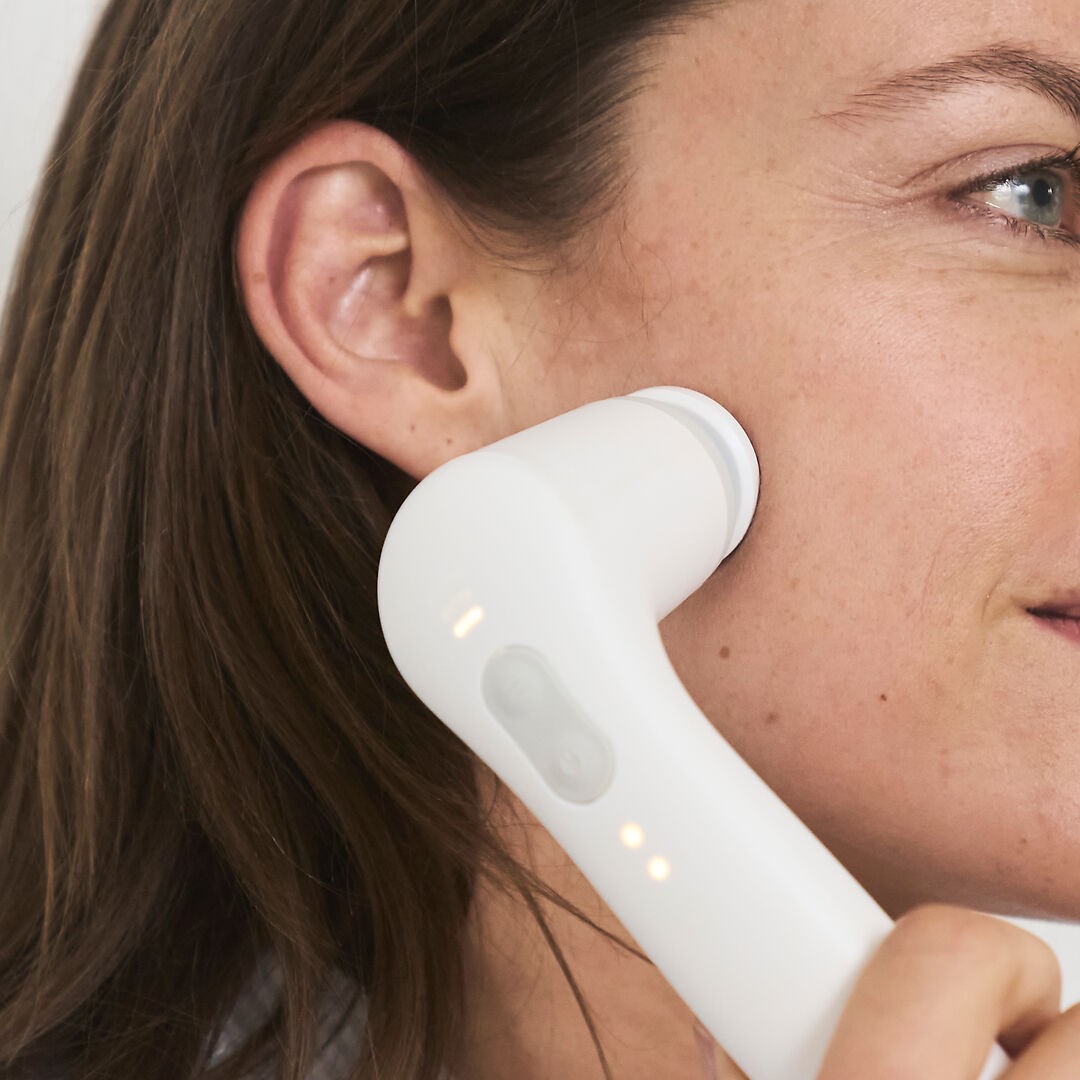
"In cases of bruxism, we work with specialized TMD therapy – prescribed by the dentist – and use Novafon for the relaxation of the masticatory muscles with great success, in combination with specific self-exercises to promote habitual relaxation of the temporomandibular joint and to reduce tension in the masticatory muscle system. (...)"
Gina Lückenkemper
Professional sprinter and Olympian
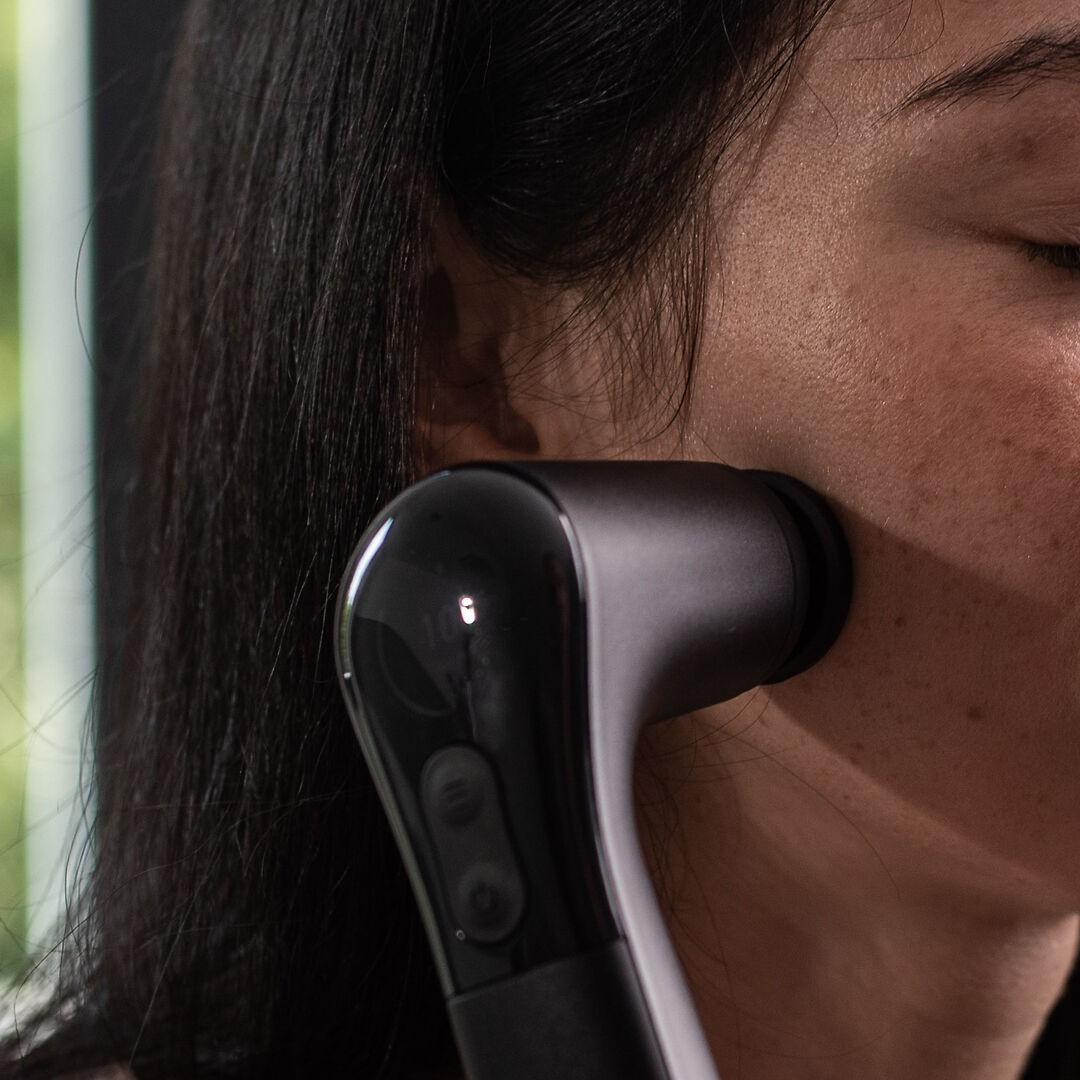
"When I am stressed, I clench my teeth at night, which results in jaw tension. [...] Novafon helps me in a gentle way, through local vibration therapy, to loosen and relax my jaw muscles."
Christopher Graf
Physiotherapist
"For these patients, the goal is pain reduction and the relaxation of the entire masticatory system, including both the masticatory muscles and the auxiliary masticatory muscles. The use of the device also supports the reduction of tissue swelling. We also successfully use it after surgical procedures for the relief of paresthesia or numbness. [...]"
Testimonials and quotes
What satisfied users say.
Das sagen zufriedene Anwender:innen.

NOVAFON – Elektromedizinische Geräte GmbH is certified by TÜV SÜD Product Service GmbH as a manufacturer of medical devices. TÜV SÜD Product Service GmbH (CE0123) is the NOVAFON notified body for the vibration sound wave devices. All other NOVAFON products are tested and conformity is declared under the sole responsibility of NOVAFON.
TÜV SÜD Product Service GmbH certifies, that NOVAFON – Elektromedizinsiche Geräte GmbH has implemented and is running a Quality Management System in accordance to ISO 13485.
From experts for experts.
This is also appreciated by TÜV SÜD.
We are certified by TÜV SÜD as a medical device manufacturer.
Our quality promise: the highest standards in workmanship and materials.
Durable and reliable performance. Seamless quality assurance.
NOVAFON – Elektromedizinische Geräte GmbH is certified by TÜV SÜD Product Service GmbH as a manufacturer of medical devices. TÜV SÜD Product Service GmbH (CE0123) is the NOVAFON notified body for the vibration sound wave devices. All other NOVAFON products are tested and conformity is declared under the sole responsibility of NOVAFON.
TÜV SÜD Product Service GmbH certifies, that NOVAFON – Elektromedizinsiche Geräte GmbH has implemented and is running a Quality Management System in accordance to ISO 13485.
From experts for experts.
This is also appreciated by TÜV SÜD.
We are certified by TÜV SÜD as a medical device manufacturer.
Our quality promise: the highest standards in workmanship and materials.
Durable and reliable performance. Seamless quality assurance.
Related application topics
Frequently asked questions
- What difference does using Novafon make in the treatment of TMD compared to other massage devices?
Novafon differs from other massage devices due to its specific frequency and intensity, which can reach deep tissue layers, as well as through various attachments for targeted applications, particularly in the treatment of TMD. As a certified medical device, Novafon is subject to strict requirements regarding quality and effectiveness compared to many other massage devices.
- Which symptoms and causes are associated with craniomandibular dysfunction (TMD)?
Craniomandibular dysfunction (TMD) is characterized by symptoms such as high muscle tension in the lower jaw, pain in the masticatory muscles, temporomandibular joint noises, and restricted mouth opening. A common cause is bruxism (teeth clenching or grinding). The precise diagnosis is often made as part of a functional analysis.
- Which treatment method is commonly used for patients with this condition?
A bite splint is often used as a treatment method. In addition, manual therapy and other physiotherapeutic or occupational therapy approaches may be applied. Novafon can also be used as a supplementary device-based treatment.
- Which specific attachments and settings are suitable for the treatment of TMD with Novafon?
For the treatment of TMD, for example, use the disc attachment with a frequency of 50 Hz and intensity level 2 for five minutes per side in the area of the masseter and temporalis muscles. Then perform targeted pain point treatment using the ball attachment at 100 Hz with intensity level 1.
- Which therapeutic devices are used to relax the masticatory muscles, and in what context are they applied?
Novafon can be used to relax the masticatory muscles and – unlike conventional massage devices – offers medically tested effectiveness. The application can be combined with specific self-exercises to promote habitual relaxation of the temporomandibular joint and to reduce tension in the masticatory muscle system.
- Under what circumstances is it not possible to perform intraoral treatment for patients with jaw complaints?
Intraoral treatment of the jaw is not possible in cases of pronounced limitations in mouth opening, after prolonged dental treatment – with or without painful disc displacement – in anxious patients or those with phobias, or in cases of trauma.
- What positive effect can Novafon have for anxious patients in the context of jaw treatment?
In anxious patients, external application promotes rapid relaxation of the entire body or the treated jaw area. As a result, muscle tone is reduced much more quickly, making the musculature more accessible following this preparatory treatment.
- How can Novafon be used for jaw treatment after surgery?
The device can be used after surgery to relieve paresthesia or numbness.
References
¹ Roy EA, Hollins M, Maixner W. Reduction of TMD pain by high-frequency vibration: a spatial and temporal analysis. Pain. 2003 Feb;101(3):267–274. doi: 10.1016/S0304-3959(02)00332-9. Erratum in: Pain. 2003 Aug;104(3):717. PMID: 12583869.
² Serritella, E. et al. Local Vibratory Stimulation for Temporomandibular Disorder Myofascial Pain Treatment: A Randomised, Double-Blind, Placebo-Controlled Preliminary Study. Pain Research & Management. 2020; 2020:6705307.
³ Serritella, E. et al. (2020)
⁴ User survey conducted in 2022 with 253 participating therapists
⁵ Serritella, E. et al. (2020)
Studies and testimonials